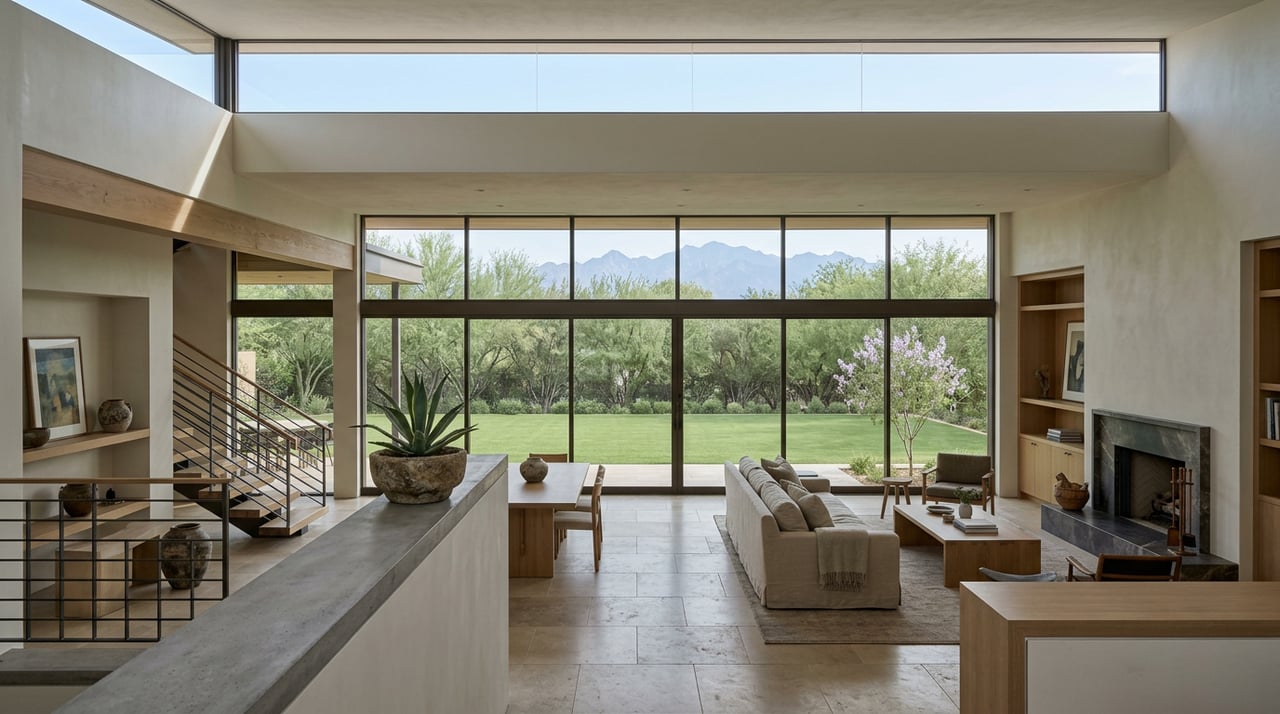
Thinking about buying a La Quinta retreat from another state? You’re not alone. Many executives choose this desert oasis for its country‑club lifestyle, sunshine, and easy weekend access. You want a smooth remote process, clear numbers, and confidence you’re making the right choice. This guide walks you through every step, from virtual tours to closing, with La Quinta’s country‑club communities in mind. Let’s dive in.
Why La Quinta appeals to second‑home buyers
La Quinta sits in the Coachella Valley and is known for resort and country‑club living. You’ll find gated neighborhoods, golf‑course estates, luxury homes with pools and spas, and lock‑and‑leave condos in private communities. Many top neighborhoods center around private golf clubs with separate memberships and dues.
Activity here follows a seasonal rhythm. Demand often peaks from fall through spring, when winter visitors arrive. Off‑season can bring more negotiating room and less competition. Most communities have HOAs that manage landscaping standards, community rules, and monthly dues, especially important in the desert where water usage and aesthetics are closely managed.
How to search from anywhere
Remote buyers succeed by building the right team and using the right tools. Here’s how to keep momentum and clarity from the start.
Assemble your on‑the‑ground team
- Hire a local buyer’s agent with country‑club expertise. Your agent should coordinate virtual tours, access HOA and club documents, set inspection timelines, and negotiate terms that fit a remote purchase.
- Confirm MLS access and experience with out‑of‑state closings. This ensures quick data, realistic pricing, and streamlined logistics.
Use a virtual discovery toolkit
- Review high‑resolution photos, floor plans, and 3D tours, then schedule live video walk‑throughs of shortlisted homes.
- Ask for seller disclosures and the HOA packet as early as possible so you can spot deal‑breakers before you write an offer.
- Request neighborhood or drone footage to understand views, orientation, and proximity to amenities.
Shape a winning offer from afar
- Plan for an earnest money deposit held by escrow once your offer is accepted. The amount is negotiable and often reflects market conditions.
- Use standard California contingencies to protect your interests, including inspection, appraisal, and financing if applicable. Set practical windows that allow time to schedule inspectors and an appraiser.
- In peak season, be ready to strengthen terms. Cash, strong proof of funds, or flexible timelines can help, especially on high‑demand properties.
Understand escrow timing and communication
- Once under contract, escrow opens with a neutral third party. Expect 30 to 45 days for most closings, though cash or preapproved loans may move faster.
- Use secure platforms for documents and e‑signatures. Set a weekly call or message cadence with your agent, lender, and escrow officer so nothing is missed.
California legal and finance basics
Buying in California comes with specific disclosures and rules designed to inform you about the home and community.
Required disclosures you will review
- Seller disclosures, including the Real Estate Transfer Disclosure Statement, outline known property conditions.
- A Natural Hazard Disclosure identifies issues such as flood, seismic, or fire zones.
- Homes built before 1978 include a lead‑based paint disclosure.
- If the home is in an HOA, you will receive a full package of CC&Rs, bylaws, budgets, and rules.
How HOAs are governed
- HOAs operate under the Davis‑Stirling Act, which sets standards for budgets, meetings, and disclosures.
- Verify monthly dues, reserve health, any special assessments, rental rules, transfer fees, and whether a golf club membership is separate from homeownership.
Property taxes and special assessments
- California property taxes typically base assessed value on the purchase price, with caps on annual increases. Local rates vary, and some areas may have bonds or supplemental taxes.
- Some newer communities use special tax districts, such as Mello‑Roos, which add to annual property taxes. Always confirm whether a property is subject to these assessments.
Financing second homes and appraisals
- You can use a national lender, a local California lender, or pay cash. Local lenders familiar with La Quinta can help smooth appraisal questions in gated or amenity‑rich communities.
- Appraisals can be complex when comparable sales are limited. Your team may need to provide additional data to support value.
- Second‑home mortgages can have different underwriting standards and interest rates compared with primary residences.
Insurance considerations
- Standard homeowner policies often exclude earthquake and flood coverage. If the home is in a flood zone, you may need a separate policy.
- If you plan to rent the property or have a pool or spa, confirm coverage for liability and seasonal use with your insurer.
Short‑term rentals
- Many desert communities and cities regulate short‑term rentals. If rentals matter to your plan, review city ordinances and the HOA’s rules for the specific community before you make an offer.
Inspections and due diligence for desert homes
Desert properties have unique systems and wear patterns. Build these checks into your contingency windows.
Core inspections you should expect
- A general home inspection covers structure, roof, HVAC, plumbing, electrical, and interiors.
- Pest and termite inspections are common and advisable.
- Add specialized inspections as needed, such as roof, foundation, or sewer.
Desert‑specific priorities
- HVAC: Confirm capacity, age, and service history. Air conditioning is essential here.
- Pool and spa: Inspect pumps, heaters, automation, finish quality, and safety compliance. A dedicated pool inspection is wise.
- Irrigation and landscaping: Review irrigation systems, leaks, and water consumption. Xeriscaping details matter for costs and maintenance.
- Roofing and exterior: Check for UV wear, sealant breakdown, and flashing integrity.
- Soils and foundation: Review disclosures for prior repairs or engineering reports. Consider a structural review if there are signs of movement.
- Septic systems: On some properties, confirm permits and condition.
Community and club due diligence
- Read the HOA packet in full: CC&Rs, bylaws, budgets, reserves, meeting minutes, and insurance.
- Confirm rental rules, remodel guidelines, pet policies, and any pending assessments.
- If a golf club is involved, review membership types, initiation fees, transfer rules, and ongoing dues.
Title and hazard reviews
- Order a title report to confirm ownership, easements, and recorded matters.
- Consider a survey if boundary lines, pool placement, or setbacks could be an issue.
- Use the hazard disclosures to understand flood, fire, or seismic exposure.
Closing remotely with confidence
The right process makes a distance closing straightforward and secure.
E‑signatures, notarization, and POA
- Most documents are handled electronically. Some items may still require wet signatures or notarization based on lender or title policies.
- Ask early whether remote online notarization is accepted for your file. If you need a power of attorney, confirm your lender and title company will allow it for the loan type.
Final walkthrough when you are away
- Arrange a live video walkthrough with your agent near closing. You can also hire an independent inspector to verify agreed repairs and property condition.
Wire and escrow fraud prevention
- Always verify wiring instructions by phone using a number you obtain independently, not from an email.
- Be wary of last‑minute changes. Confirm any changes by voice with your escrow officer.
- Use secure portals and avoid emailing sensitive information if possible.
A practical remote‑buyer checklist
- Pre‑offer: Hire a local country‑club specialist. Secure preapproval or gather proof of funds. Request disclosures and HOA documents early.
- After acceptance: Open escrow, order title, schedule inspections and appraisal, and request the full HOA and club packet.
- Mid‑escrow: Review disclosures, track HOA responses, finalize insurance, and clear contingencies on schedule.
- Final week: Complete your final walkthrough, sign closing documents, confirm wire instructions, and arrange utilities, pool care, and landscaping.
Typical escrow timelines
- 30‑day escrow: Common for cash or well‑prepared financing. Inspection contingencies often range from 7 to 14 days, with final walkthrough 1 to 3 days before closing.
- 45–60‑day escrow: Helpful for condo approvals, extended underwriting, or travel scheduling. Build in time for HOA and club review.
Your next steps
If you want the La Quinta lifestyle with a streamlined remote process, work with a country‑club specialist who manages details end to end. From targeted virtual tours to HOA and club review, you will have a clear plan, precise timing, and discreet guidance tailored to second‑home buyers.
Ready to explore La Quinta from wherever you are? Schedule a Private Consultation with Tyson Hawley to map your search, compare clubs, and start seeing the right homes.
FAQs
Can I close on a La Quinta home entirely remotely?
- Many closings can be completed with electronic signatures and, where accepted, remote notarization. Confirm your lender and escrow company’s requirements early in the process.
What inspections are most important for desert homes?
- Plan for a general home inspection, HVAC, pool and spa, and pest or termite checks. Add roof, foundation, septic, or sewer inspections based on the property.
How do HOAs and golf clubs affect my purchase?
- HOAs manage community standards, dues, and rules. Golf club memberships are often separate with their own fees and transfer rules. Review both sets of documents before you remove contingencies.
When is the best time to buy in La Quinta?
- Buyer activity often peaks in fall through spring. Off‑season can bring more negotiating room and less competition, though inventory can also be tighter.
Can I rent my La Quinta home short‑term?
- Many cities and HOAs regulate short‑term rentals. Always review local ordinances and your community’s rules before you buy if rental income is part of your plan.