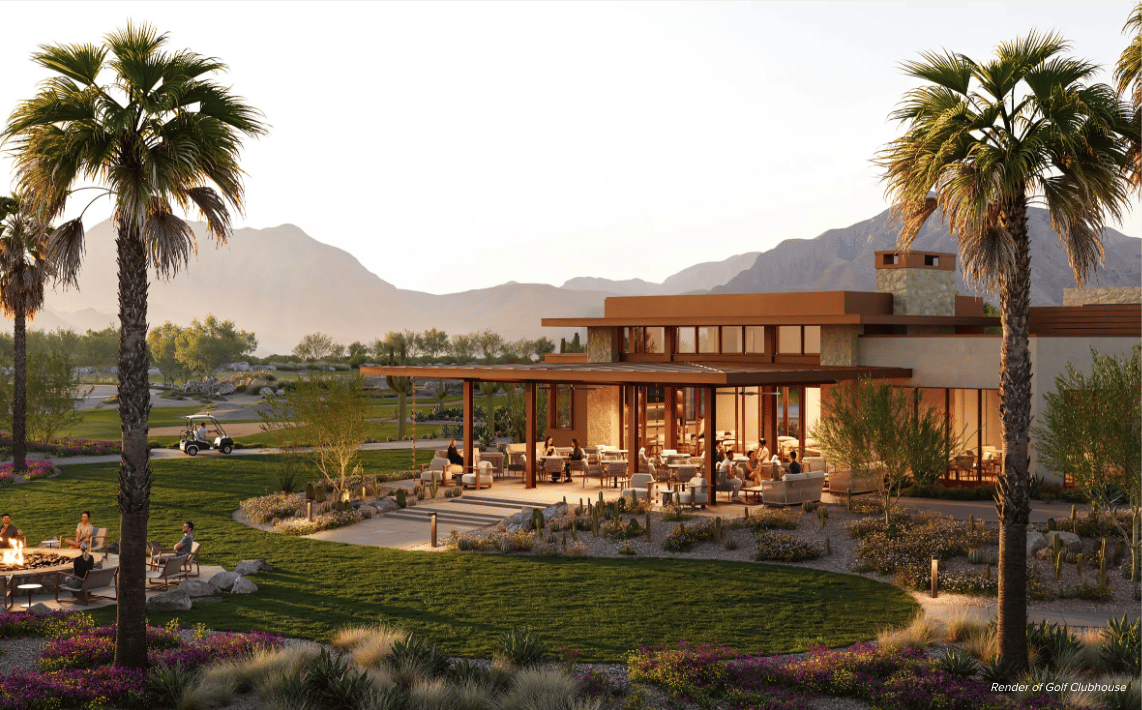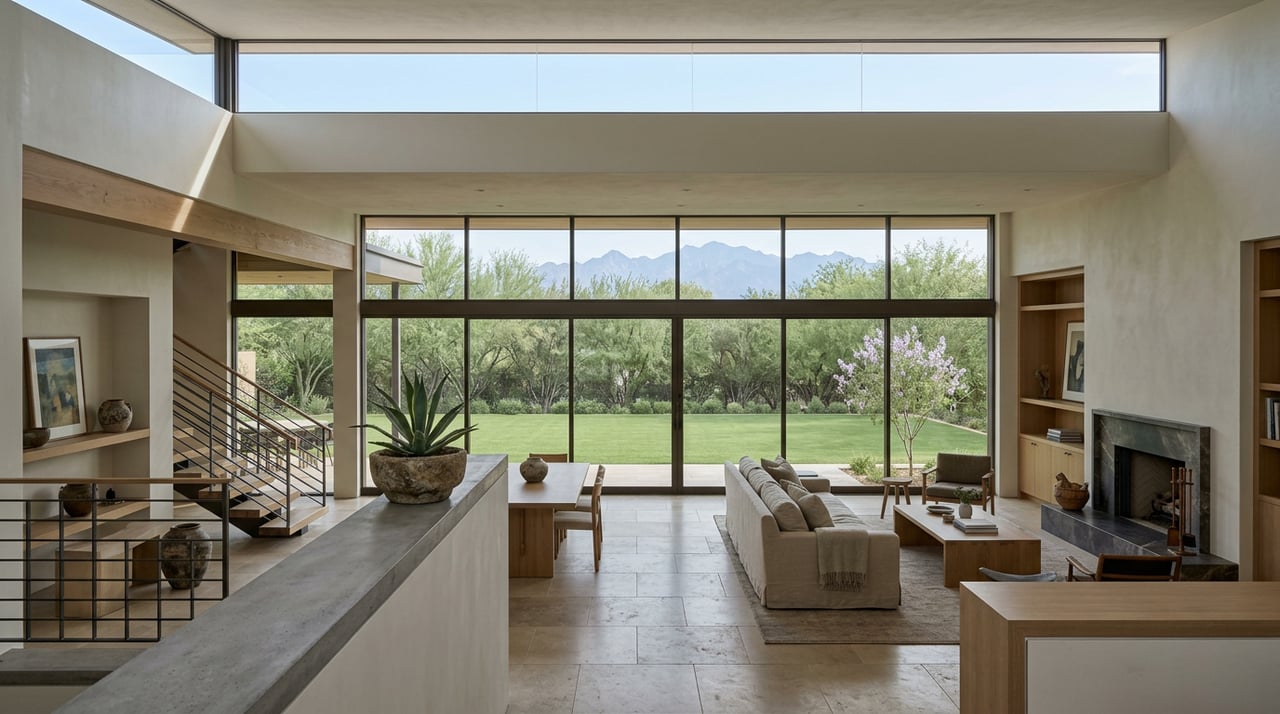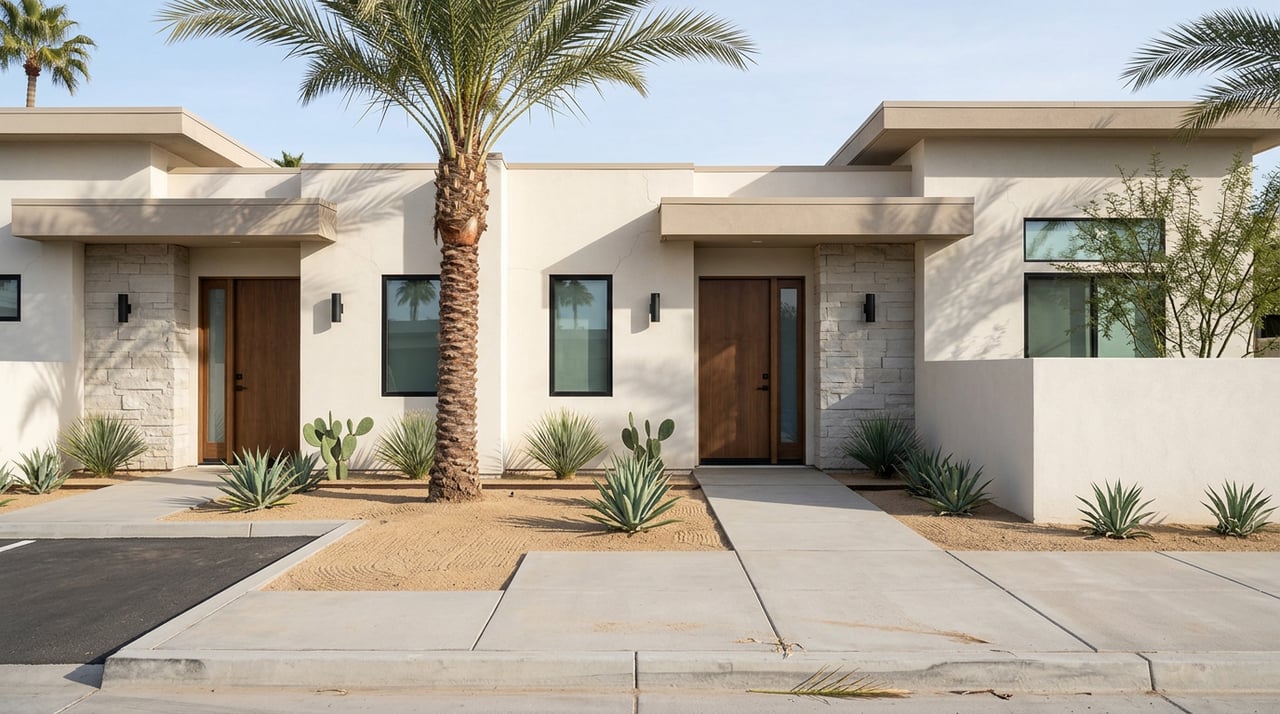
Are you torn between a condo and a detached home inside La Quinta’s country clubs? You’re not alone. The choice shapes your day‑to‑day lifestyle, your monthly costs, and how you use the property long term. In this guide, you’ll get a clear framework to compare space, fees, membership options, financing, and rental rules so you can choose with confidence. Let’s dive in.
La Quinta club market snapshot
La Quinta sits in the upper tier of the Coachella Valley, with recent city‑level medians often in the roughly $700,000 to $820,000 range. Attached units like condos typically trade below comparable single‑family homes. Within the clubs, prices and fees vary widely by community, view, and product type. You’ll see everything from entry‑level condos in PGA West and Santa Rosa Cove to multi‑million‑dollar estates in Tradition and The Madison Club.
Two cost buckets matter most here: 1) HOA dues and any club initiation or monthly dues, and 2) private maintenance you cover yourself. Your best fit comes down to how you want to live, how much space you need, and how you prefer to manage ongoing costs.
Condo vs home at a glance
Condos inside clubs
- Typical sizes run about 1,000 to 2,400 square feet with patios or courtyards and shared resort amenities.
- HOAs are often higher because exterior, roof, landscaping, pools, and gate security are included, which converts many variable costs into a fixed fee.
- You share walls and walkways, which can create a lively, social feel with easier lock‑and‑leave living.
Detached homes inside clubs
- Common sizes range from about 2,200 to 4,000+ square feet, with top estates exceeding 5,000 to 8,000+ square feet. Private pools, yards, casitas, and larger garages are typical features.
- Neighborhood HOAs may be lower, but you handle private pool, roof, and yard care. Some communities include social privileges with ownership, while full golf membership is separate.
- You usually enjoy more privacy, larger lots, and greater control over outdoor spaces.
Space and outdoor living priorities
Start with your non‑negotiables. If a private pool, yard, or guest casita is essential, you’ll likely focus on detached homes. If you want a simpler footprint with resort pools, fitness, and lock‑and‑leave ease, a condo can be ideal. Many buyers find that picking the property type that meets their indoor and outdoor square‑foot needs solves 80 percent of the decision.
Monthly costs and what fees cover
A condo HOA often appears higher because it bundles services that detached owners pay for separately. Typical inclusions for club‑area condos can include exterior insurance, roof and exterior maintenance, landscaping, common pools and spas, and gate security. In contrast, detached homes may have a lower base HOA but carry separate out‑of‑pocket costs for pool service, irrigation, and roof work.
- Use this simple formula: Total monthly cost = HOA + expected private maintenance + any club dues.
- To understand HOA powers, documents, and your rights as an owner, review the state overview on California homeowner association basics.
Club membership models to understand
Inside La Quinta’s clubs, HOA dues and club memberships are different line items:
- HOA dues fund common‑area services, reserves, and governance under CC&Rs.
- Club memberships cover access to golf, racquet, fitness, and dining.
Some communities include a social or racquet membership with ownership, while full golf membership is separate and may include initiation and monthly dues. For example, you can review published tiers and what’s included on Rancho La Quinta’s membership page.
Before you write an offer, confirm whether membership is required, what type is available, and if there is a waitlist. These details can shift your all‑in monthly budget and lifestyle access.
Financing and insurance checkpoints
Condo financing can be different from detached homes because lenders assess the entire condo project. If a project is “non‑warrantable,” conventional financing may be limited or require a larger down payment. FHA/VA borrowers should verify project eligibility early. For a plain‑English overview, see this guide to condo financing and warrantability.
Insurance also differs:
- Condo owners typically need an HO‑6 policy that pairs with the HOA’s master insurance. Ask the HOA for its insurance certificate so your agent can size coverage and add loss‑assessment protection. Learn more about condo coverage and earthquake options from this condo insurance primer.
- Earthquake coverage is usually separate and optional. Review deductibles and exposure so you understand potential out‑of‑pocket risk.
Short‑term rental rules to verify
If you plan to rent short‑term, you must clear two hurdles: city rules and HOA rules. The City of La Quinta runs a permit program, and not every neighborhood is eligible. Use the city’s portal to check permit eligibility, rules, and current status on the La Quinta STVR page. Then review the HOA’s CC&Rs for rental restrictions and minimum lease terms. Never rely on listing remarks alone.
Typical price and fee ranges by community
Price bands shift with the market, but these broad ranges illustrate the spread you’ll find across La Quinta’s clubs:
- PGA West: condos roughly $250,000 to $1.2M+; detached golf homes around $400,000 to $4M+, with HOA dues varying by enclave.
- Rancho La Quinta Country Club: single‑family homes about $475,000 to $3.6M+, with social privileges often tied to ownership and separate golf membership dues.
- Tradition Golf Club: luxury homes often $1.3M to $9M+ with substantial membership costs for full golf access.
- The Madison Club: ultra‑private estates commonly $3M to $10M+, with exclusive membership tiers and higher dues.
- The Palms, Santa Rosa Cove, SilverRock‑adjacent enclaves: a mix of earlier condos/casitas and golf homes, often from the low‑$400,000s into the $1M+ range. HOA dues vary by product type.
Use these as directional markers while you check live inventory and fee schedules during your search.
Quick decision checklist
Work through these six questions to narrow your choice fast:
- How much private outdoor space do you need? If you want a private pool, larger yard, and casita, lean detached. If a patio plus resort amenities is enough, a condo fits.
- What is your monthly cost tolerance? Add HOA dues, expected maintenance, and any club dues. Which structure feels better to you: a higher fixed HOA or more variable private costs?
- Do you want true lock‑and‑leave living? Condos centralize care and security. Detached homes offer more control but require vendor management.
- Will you pursue short‑term rentals? Confirm eligibility on the La Quinta STVR portal and check HOA rules before you count on revenue.
- What is your financing plan? If you need low‑down conventional, FHA, or VA financing, ask your lender to verify condo project eligibility early using this warrantability guide.
- How important is club life? Decide whether you want social access, racquet, or full golf. Review initiation, monthly dues, and any waitlists on community sites like Rancho La Quinta’s membership page.
Pro tip: Score your needs from 0 to 3 on privacy, monthly cost tolerance, maintenance willingness, desire for club access, and rental potential. Your higher‑scoring product type usually wins.
Due diligence documents to request
Ask the seller, HOA, or listing agent for the following so you can compare apples to apples:
- HOA financials: current budget, latest reserve study, and recent year‑end financials to gauge reserve health and potential assessments. See the Davis‑Stirling framework overview in this HOA law guide.
- CC&Rs, bylaws, and rules: for rental limits, architectural processes, guest and parking policies. Here is a simple explainer on California HOAs and owner rights.
- HOA meeting minutes: last 12 to 24 months plus any litigation disclosures to surface known issues.
- Insurance: HOA master policy certificate, coverage scope, and deductibles; match your HO‑6 and loss‑assessment coverage accordingly. See this condo insurance primer.
- Club membership packet: initiation, transfer, and monthly dues; what’s included; and any waitlists. Review examples via Rancho La Quinta’s membership page.
- Financing eligibility: for condos, have your lender confirm project warrantability and discuss options like single‑unit approvals where applicable using this condo financing guide.
- Short‑term rental status: verify eligibility and rules on the La Quinta STVR portal, then confirm HOA rental provisions.
When to broaden your search
If your must‑have list and budget do not align in La Quinta at the moment you are shopping, consider nearby cities in the Coachella Valley. Palm Desert, Indian Wells, Rancho Mirage, and Palm Springs each offer different mixes of club options, price points, and membership models. A short pivot can unlock better matches for yard size, view premiums, or golf access within your budget.
Work with a country‑club specialist
Choosing between a condo and a detached home inside La Quinta’s clubs is a lifestyle call as much as it is a financial one. A specialist who knows the nuances of each enclave—fees, floorplans, rental rules, and membership policies—can save you time and help you avoid costly surprises. If you’re ready to compare shortlists, walk fee structures, or confirm condo warrantability and STVR rules, schedule a private consult with Tyson Hawley.
FAQs
What are the biggest cost differences between condos and detached homes in La Quinta clubs?
- Condos often have higher HOAs that include exterior and common‑area care, while detached homes may have lower base HOAs but add private pool, yard, and roof costs plus any separate club dues.
How do club memberships typically work in Rancho La Quinta and similar communities?
- Ownership may include certain social privileges, while full golf access usually requires a separate initiation and monthly dues; review current tiers on community sites like Rancho La Quinta’s membership page.
What does a non‑warrantable condo mean for my loan?
- Lenders view the whole project; if it does not meet agency standards, you may face higher down payments or limited loan options—verify early using this condo warrantability overview.
Can I short‑term rent a property inside PGA West or other La Quinta clubs?
- It depends on both city eligibility and HOA rules; confirm permit status and requirements on the La Quinta STVR page and then check the CC&Rs for rental limits.
What insurance do La Quinta condo owners usually need?
- An HO‑6 policy that pairs with the HOA’s master policy, plus loss‑assessment coverage; consider earthquake options and deductibles as outlined in this condo insurance primer.
Are club‑area condos a good fit for seasonal or lock‑and‑leave owners?
- Yes, many buyers choose condos for smaller footprints, bundled maintenance, and gated security that simplifies second‑home ownership and seasonal stays.