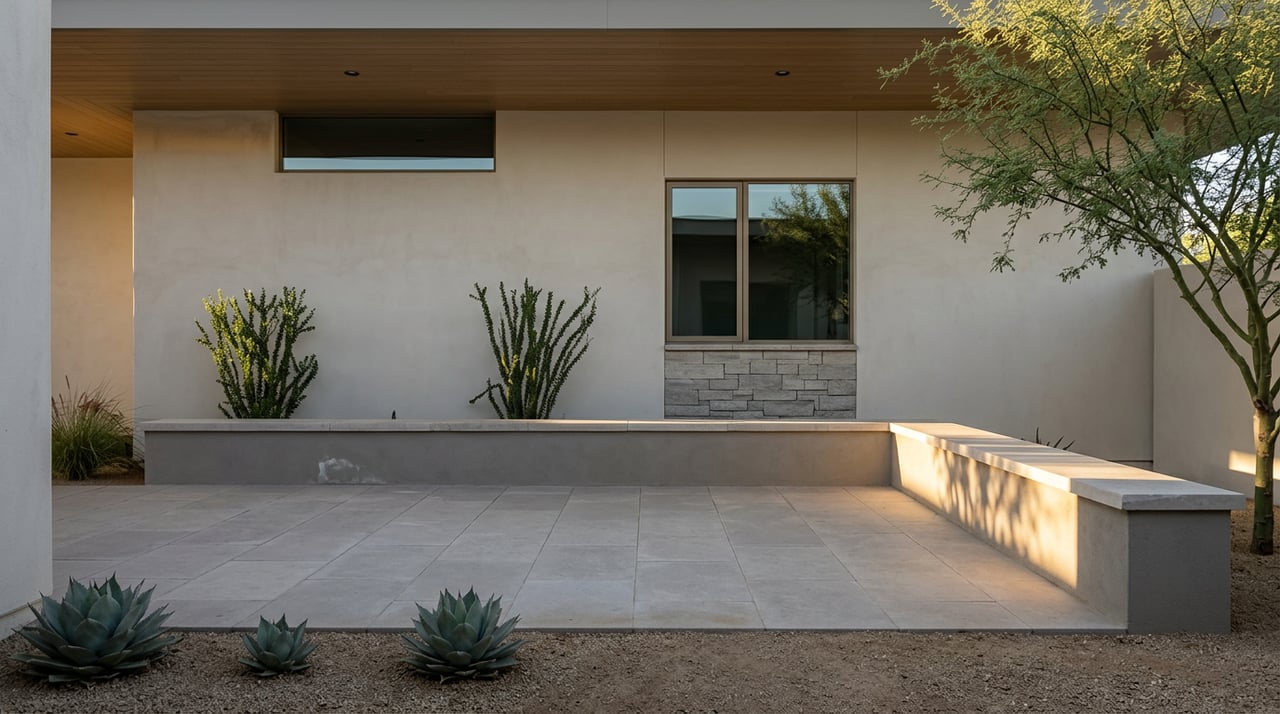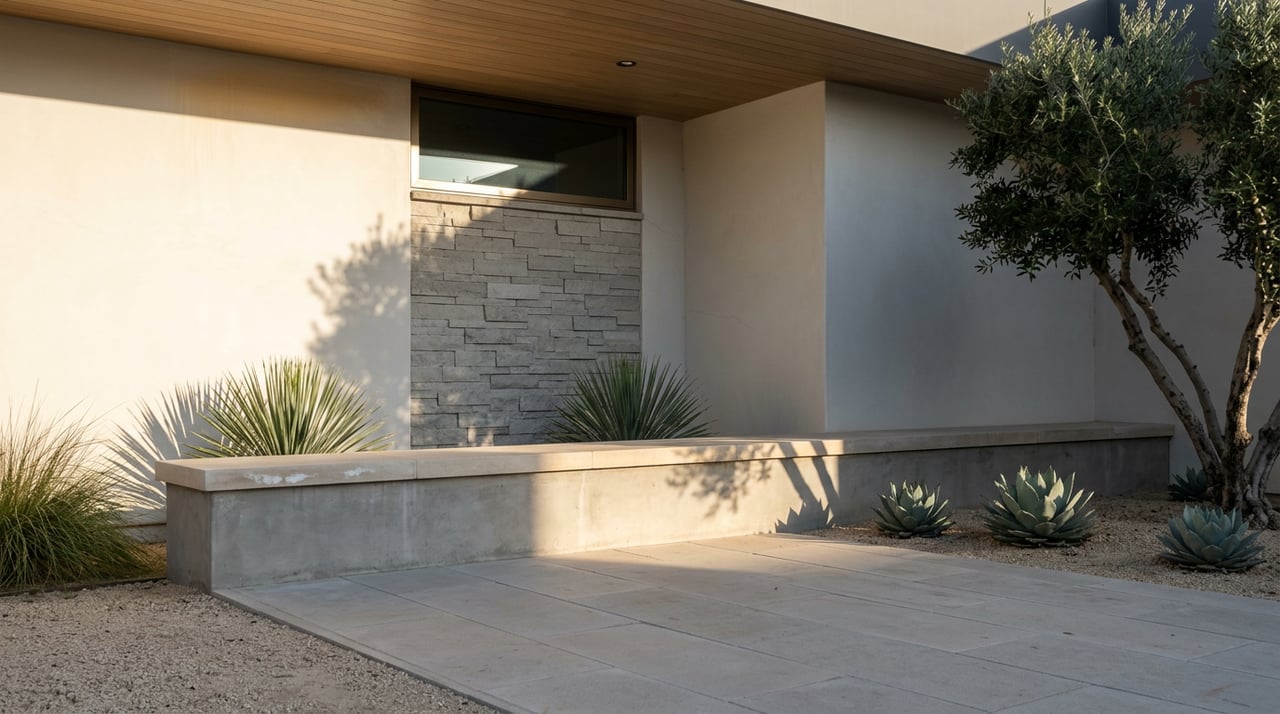
La Quinta attracts buyers for weather, privacy, and access to gated communities, but many purchases go sideways because buyers assume the process works the same as other markets. Local rules, seasonal shifts, and community structures affect daily life and long-term value. The mistakes below show up repeatedly and often only become obvious after the purchase is complete.
Summary: Common Mistakes Buyers Make in La Quinta
-
Choosing a Community Before Understanding How It Functions Day to Day
-
Focusing on HOA Cost Instead of HOA Structure
-
Misunderstanding Golf Membership Options and Obligations
-
Underestimating Seasonal Changes in Population and Activity
-
Overlooking Rental Rules That Limit Flexibility
-
Choosing the Home Without Evaluating the Lot
-
Underestimating Desert Maintenance and Operating Costs
-
Reviewing HOA Rules Too Late in the Process
-
Assuming All Gated Communities Offer Similar Living Conditions
-
Trying to Time the Market Instead of Evaluating Use and Value
-
Working With an Agent Who Lacks Local Context
1. Choosing a Community Before Understanding How It Functions Day to Day
Many buyers choose a community based on photos, floor plans, or brand recognition. What they miss is how the neighborhood actually operates. Some communities have constant foot traffic, golf activity, and events. Others remain quiet most of the year. The difference affects noise, privacy, parking, and how often amenities are used. Buyers should visit at different times of day and different points in the season before deciding.
2. Focusing on HOA Cost Instead of HOA Structure
Buyers often compare HOA fees without understanding what those fees support. In La Quinta, HOAs may cover landscaping, exterior maintenance, road upkeep, security, and shared facilities. A lower fee may mean more responsibility and higher out-of-pocket costs later. A higher fee may reduce personal maintenance and protect resale. The structure matters more than the number.
3. Misunderstanding Golf Membership Options and Obligations
Golf access varies widely. Some communities offer public course access. Others tie social access to private memberships with initiation fees and annual dues. Buyers sometimes assume golf access comes with the home or that membership is mandatory. Both assumptions can be wrong. Reviewing membership terms early helps buyers avoid unexpected costs or missed opportunities.
4. Underestimating Seasonal Changes in Population and Activity
La Quinta shifts between peak season and summer more than many markets. Streets that feel calm in August may feel active in January. Restaurants, traffic patterns, and community events all change. Buyers planning full-time living need to understand both conditions. Seasonal residents should understand what the area feels like when many neighbors are absent.
5. Overlooking Rental Rules That Limit Flexibility
Rental restrictions vary by neighborhood and are enforced differently. Some communities allow short-term rentals with permits. Others limit rental length or prohibit them. Buyers who plan to offset costs through rentals must confirm rules in writing. Assumptions here often lead to frustration or financial strain.
6. Choosing the Home Without Evaluating the Lot
In La Quinta, lot placement affects more than views. Proximity to golf paths, roads, gates, and amenities changes daily experience. Golf frontage can increase activity and noise. Road exposure can affect privacy. Buyers who focus only on interior finishes often regret ignoring these factors.
7. Underestimating Desert Maintenance and Operating Costs
Desert conditions place stress on systems. Cooling costs, pool care, landscaping, and exterior materials require consistent attention. Buyers new to desert living often underestimate ongoing expenses. Understanding average utility costs and maintenance schedules helps set realistic expectations.
8. Reviewing HOA Rules Too Late in the Process
HOA documents control how owners use their property. Rules cover exterior changes, parking, rentals, pets, and noise. Buyers sometimes skim these documents after committing emotionally to a home. Reviewing them early prevents conflicts between lifestyle expectations and actual restrictions.
9. Assuming All Gated Communities Offer Similar Living Conditions
Gates create a sense of security, but communities differ in purpose. Some are built for social interaction and seasonal residents. Others prioritize privacy and year-round living. Understanding the intent of the community helps buyers choose a home that fits their routine rather than just their budget.
10. Trying to Time the Market Instead of Evaluating Use and Value
La Quinta demand follows seasonal and lifestyle patterns more than short-term market cycles. Buyers waiting for perfect timing often miss homes that fit their needs. Value comes from location, community fit, and long-term demand rather than short-term pricing shifts.
11. Working With an Agent Who Lacks Local Context
Local experience matters in La Quinta. Community rules, seasonal behavior, and pricing trends vary within short distances. Buyers benefit from working with someone who understands how these factors affect daily life and resale. Tyson Hawley helps buyers evaluate La Quinta homes through that local lens rather than relying on general assumptions.
Frequently Asked Questions
Is La Quinta better for seasonal or full-time living?
Both work, depending on the neighborhood. Some areas are better suited for year-round living.
Are HOAs unavoidable in La Quinta?
Most gated communities have HOAs, though terms and fees vary widely.
Do all country club homes require membership?
No. Membership is often optional and separate from ownership.
Are rentals allowed everywhere?
No. Rules depend on the neighborhood and city regulations.
Final Thoughts
Most buying mistakes in La Quinta come from incomplete information rather than poor choices. Understanding how communities operate, how costs add up, and how seasonal changes affect daily life leads to better outcomes. Buyers who want clear, practical guidance often work with La Quinta real estate expert Tyson Hawley to avoid these common issues and choose a home that fits both lifestyle and long-term plans.