What does a typical day feel like when your front door opens to fairways and mountain views? If you are curious about life inside La Quinta’s gated country‑club and golf communities, you are not alone. You want an easy, active lifestyle with privacy, social options, and a home that runs smoothly in the desert climate. In this guide, you will see the daily rhythm, the amenities that shape it, and the practical details to help you decide if this is your fit. Let’s dive in.
Morning in La Quinta
Sunrise golf and fitness
Early mornings are the heartbeat of club life, especially in the winter high season. First tee times often start at sunrise, when the Santa Rosa Mountains catch the first light and the air is crisp. If golf is your routine, you can be on the driving range by 6:30 a.m. and finishing nine holes before most people brew coffee.
If you prefer a workout, you will find group classes like yoga, Pilates, or spin scheduled in the early hours. Walking loops and paved paths are popular for a quiet start to the day. Many residents say this is the best time to catch cool air and open views before the valley comes alive.
Coffee, errands, and easy routines
By mid‑morning, the clubhouse café becomes a social hub. You might check in with neighbors, confirm a doubles match, or book a spa appointment. This is also a common window for home and landscape maintenance. In gated communities, services like irrigation checks, pool cleaning, and routine touch‑ups often happen before lunch.
With Palm Springs International Airport about 20 to 30 minutes away, early flights are manageable for weekend getaways or business travel. If you are hosting during festival season, Indio and the Coachella grounds sit about 15 to 25 minutes east by highway.
Midday and afternoon
Lunch and social clubs
From late morning into early afternoon, you can choose between casual poolside lunches or sit‑down clubhouse dining. Social calendars in peak season often include book clubs, interest groups, charity events, and wellness seminars. It is easy to fill your calendar or keep it open for quiet time at home.
Pool, tennis, and pickleball
Afternoons are for slowing down or doubling down. Many residents head to the pool after lunch, especially when winter temps sit in the 60s to 70s. Tennis and pickleball courts are active with organized play and social matches. If you want a shorter round, nine holes in the late afternoon is a favorite, leaving just enough daylight to finish at sunset.
Evenings and weekends
Sunset rituals and happy hour
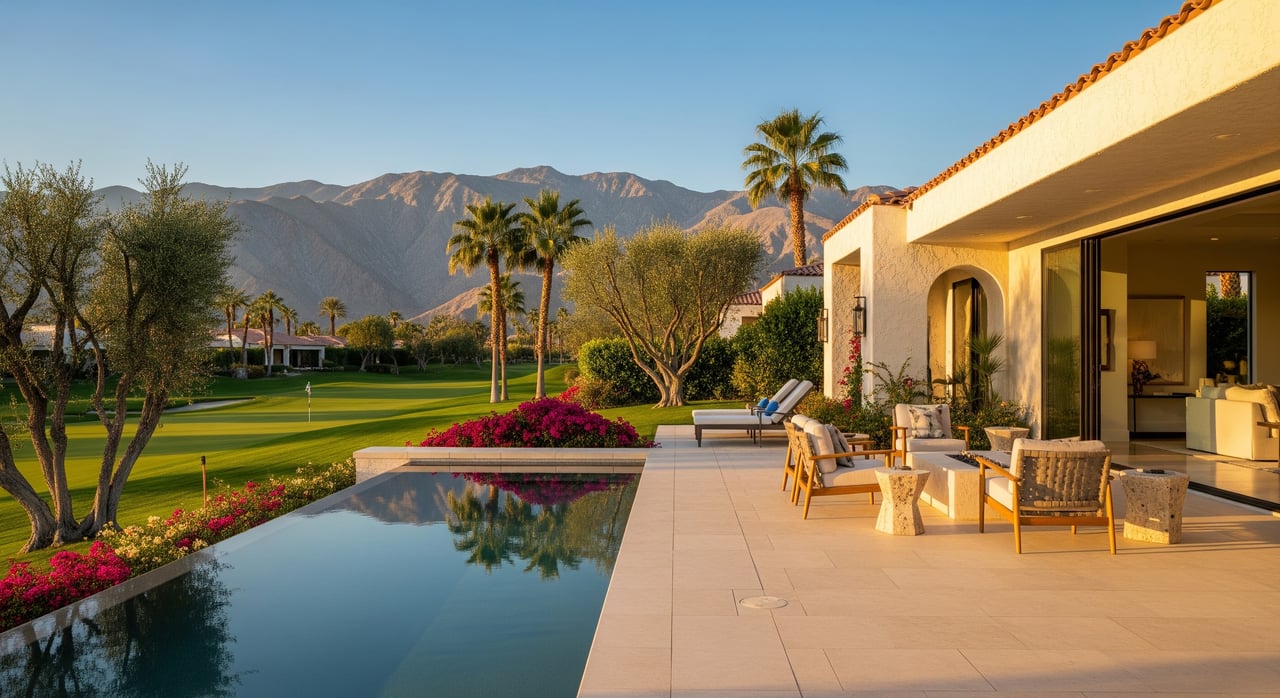
Golden hour is the unofficial nightly ritual. You will see neighbors out walking, finishing their rounds, or meeting for happy hour as the mountains turn pink. Clubhouses often host themed dinners, live music, or members’ events. In quieter gated neighborhoods, evenings are relaxed, with small gatherings or private dinners on the patio.
Entertainment options nearby
On weekends, resort venues in and around La Quinta may offer special events and entertainment. The broader Coachella Valley adds art, dining, and seasonal happenings in Palm Desert, Indian Wells, Rancho Mirage, and Palm Springs. You can keep your world close to home or expand your plans across the valley.
Seasonal shifts to expect
La Quinta is at its busiest from roughly November through April. Residents return, tee sheets fill up, and clubs run full social calendars. Summer brings a quieter pace as daytime highs often exceed 100°F from June through September. During hot months, outdoor activities shift to mornings and evenings. Pools, air conditioning, and shade become your best friends, and maintenance schedules focus on cooling systems and water‑smart landscaping.
What the amenities look like
- Golf courses with driving ranges, practice areas, and pro shops. Some are private and members‑only, while resort‑linked options offer public tee times.
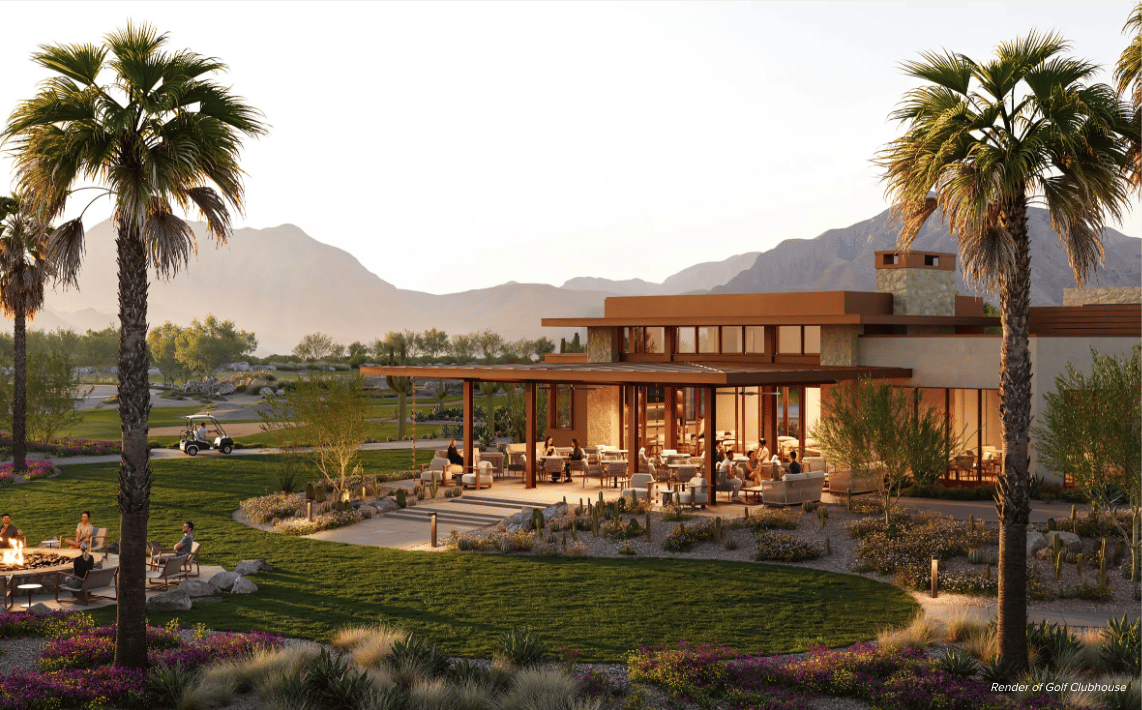
- Clubhouses with multiple dining choices, bars, outdoor patios, and event spaces.
- Fitness centers, group classes, and training programs on set schedules.
- Pools and spas, including lap lanes, cabanas, and heated pools in winter.
- Tennis and a growing number of pickleball courts with leagues and clinics.
- Walking and biking paths with mountain and desert views.
- Concierge services, valet, and in‑community maintenance in select communities.
- Seasonal social calendars with holiday events, tournaments, and interest groups.
Examples that illustrate the range include private clubs with limited access, resort‑linked communities like those around La Quinta Resort & Club, and golf neighborhoods connected to larger multi‑course settings such as PGA WEST. Ultra‑private options exist nearby as well, similar in concept to The Madison Club model.
Costs and membership basics
Home prices and HOA dues
You will find a broad range of property types, from resort‑style condos and attached townhomes to single‑family golf homes and custom estates. Many country‑club and custom estate properties trade at 1 million dollars or more, while smaller attached homes and condos can be less. HOA dues vary widely and often cover gated security, common areas, landscaping, and irrigation. Expect anything from low hundreds to over a thousand dollars per month, depending on services and scale.
Club memberships
There are two cost buckets to plan for: HOA dues and club membership. Private, members‑only clubs typically have higher initiation fees and monthly dues. Resort and semi‑private clubs may offer more flexible membership types, including social or sport packages without full golf privileges. If membership is a priority, confirm availability and waitlists before you buy.
Utilities and maintenance in the desert
Factor cooling costs into your monthly budget. Pool service and irrigation will add recurring expenses. Many communities encourage drought‑tolerant landscaping, and regional water‑use rules can influence your design choices. Property taxes follow county rates, and homeowners insurance may reflect local risk factors. Flood risk is generally lower than coastal areas, but desert washes and storm runoff still require attention.
Rules, privacy, and rentals
Gated communities are designed to balance privacy with shared amenities. You will see architectural guidelines, exterior paint palettes, and landscaping standards that keep neighborhoods cohesive. Solar panel placement, visible equipment, and exterior modifications often have approval processes.
If you plan to rent your property, review the CC&Rs closely. Many communities limit or prohibit short‑term rentals. Some allow them under certain terms or with minimum stay requirements. Guest access, parking rules, and security procedures vary by neighborhood.
Health, safety, and services
Regional hospitals, urgent care, and specialty services are available across the Coachella Valley, generally within a 15 to 30 minute drive. Gated communities often have private security patrols, while city and county emergency services cover the area. In hot months, protect your schedule and your systems: plan outdoor time early, service HVAC regularly, and use shade and hydration strategies.
Resale and investment
What sells well
Well‑maintained homes in active clubs tend to attract a strong buyer pool, especially among second‑home buyers and retirees. Move‑in ready homes in desirable gated communities often see faster interest. Ultra‑luxury custom estates can have longer timelines and require targeted marketing to reach the right audience.
Due diligence checklist
- Review HOA financials, reserves, and any planned or recent special assessments.
- Confirm club membership obligations, initiation fees, waitlists, and transfer policies.
- Understand rental rules and any restrictions that affect income potential.
- Ask about course maintenance plans or community‑wide projects that could affect costs.
- Price utilities and insurance with realistic summer cooling assumptions.
How La Quinta compares nearby
La Quinta stands out for its concentration of golf communities, mountain scenery, and a blend of resort and residential neighborhoods. If you want an urban vibe and mid‑century architecture with a nightlife core, Palm Springs may feel more aligned. Indian Wells offers a comparable country‑club focus and often commands higher prices in certain enclaves. Palm Desert brings broader retail corridors and more dining variety, while Rancho Mirage mixes luxury living with a notable presence of healthcare and administrative services. Many buyers choose La Quinta for its active club culture, scenic fairways, and balanced pace.
Is this lifestyle for you?
If you imagine sipping coffee at sunrise with mountain views, golfing before lunch, and joining neighbors for sunset walks, you will feel at home in a La Quinta country‑club community. The lifestyle is social yet private, active yet low stress, and designed for easy living around top amenities. The city counts about 37,500 residents, a mix of year‑round and seasonal owners, so the rhythm shifts with the seasons in a way many people love.
When you are ready to align your wish list with the right club and neighborhood, schedule a conversation with an expert who lives this segment daily. For confidential, concierge‑level guidance, connect with Tyson Hawley. Schedule a Private Consultation.
FAQs
Who typically lives in La Quinta’s country‑club communities?
- You will find retirees, second‑home owners, seasonal residents, golf enthusiasts, and some families seeking amenity‑rich, low‑maintenance living.
Are the golf courses private or open to the public?
- The valley offers a mix of private, resort‑linked, and semi‑private courses, with membership and public tee access varying by club.
How different is winter from summer in daily life?
- Winter is the busy season with full calendars and crowded tee sheets, while summer is quieter and schedules shift to mornings and evenings to avoid heat.
What ongoing costs should I expect beyond the mortgage?
- Budget for HOA dues, club membership dues if you join, utilities with higher summer cooling, plus pool, irrigation, landscaping, and routine maintenance.
Are short‑term rentals allowed inside gated communities?
- Policies vary by HOA; many limit or prohibit short‑term rentals, so review CC&Rs and community rules before relying on rental income.
How far is La Quinta from major amenities and travel hubs?
- Palm Springs International Airport is about 20 to 30 minutes away by car, and the Indio festival grounds are roughly 15 to 25 minutes east.