If you want to maximize your result when selling a La Quinta Country Club home, timing matters more than many owners expect. In a market where homes in La Quinta sell in about 81 days on average, with a 94.9% median sale-to-list ratio and many listings taking price drops, a polished launch can make a real difference. The good news is that you do not need to rush. With the right plan, you can prepare your home in clear phases and bring it to market with confidence. Let’s dive in.
Why timing matters in La Quinta
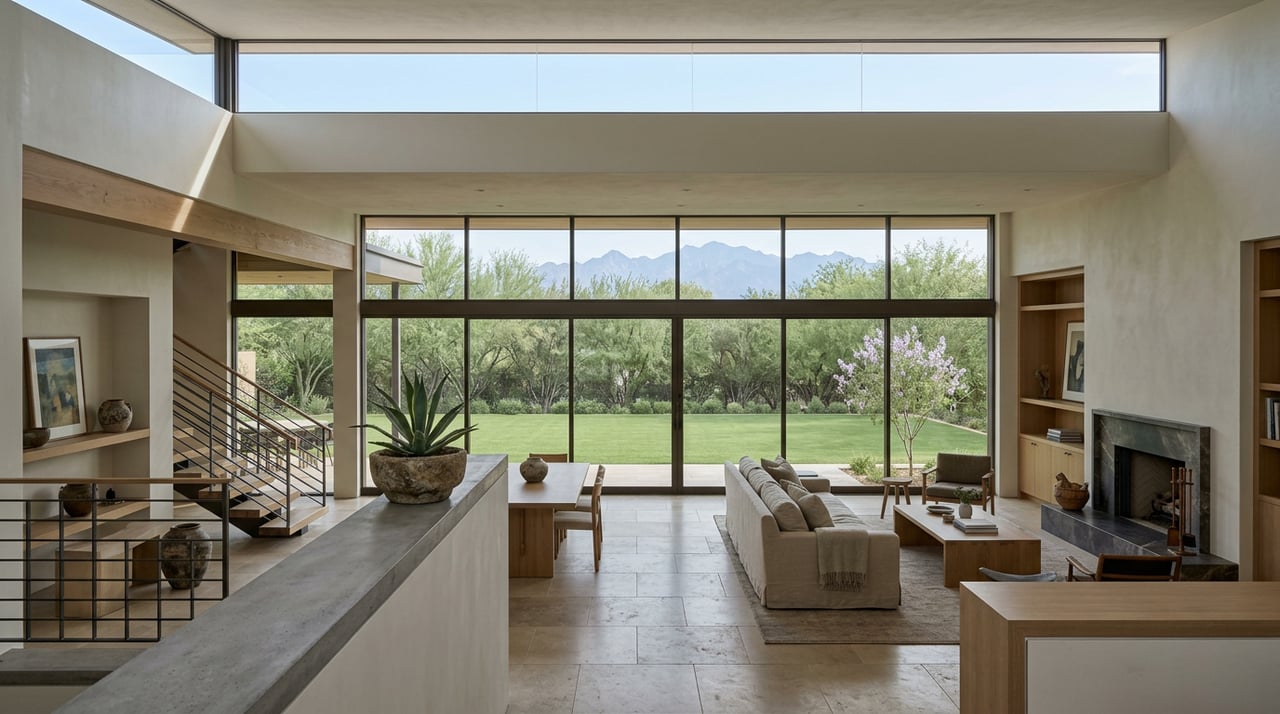
La Quinta Country Club is one of the signature private club settings in the Coachella Valley, with a clubhouse of more than 35,000 square feet that was updated in 2023 and views of the golf course, gardens, and surrounding mountains, according to La Quinta Country Club. When buyers consider a home in this setting, presentation matters because they are often responding to both the property and the overall experience.
That makes preparation especially important in today’s local market. Redfin’s La Quinta housing market snapshot shows a slower pace, with homes selling in around 81 days and about 27.7% of listings seeing price drops. For you as a seller, that points to a simple strategy: prepare thoroughly, price realistically, and make your first impression count.
A practical listing timeline
A strong listing plan usually works best when you think in phases instead of trying to do everything at once. Based on NAR’s guidance for preparing to sell, a realistic timeline is:
- 6 to 8 weeks before listing for strategy, pricing, documents, and inspection
- 3 to 5 weeks before listing for repairs, cleaning, and curb appeal
- 1 to 2 weeks before listing for staging and media
- Launch week and the first 72 hours for show-ready presentation and marketing response
This kind of schedule gives you room to make better decisions without feeling rushed.
6 to 8 weeks out: Start with strategy
The first phase is about clarity. This is the time to meet with your agent, review pricing strategy, gather documents, and map out what needs attention before the home goes live.
It is also a smart time to consider a pre-sale inspection. NAR notes that a pre-sale inspection is optional, not required, but it can help identify issues involving the structure, roof, plumbing, electrical systems, HVAC, ventilation and insulation, fireplaces, and some health-related concerns before a buyer raises them later.
What to do in this phase
- Review recent market conditions and pricing approach
- Gather property records and useful home documents
- Schedule a pre-sale inspection if appropriate
- Create a repair and prep checklist based on findings
- Discuss any disclosure questions with your agent if material issues are identified
For many sellers, this early planning phase reduces stress later. Instead of reacting to surprises during escrow, you have more time to decide whether to repair an issue, disclose it clearly, or adjust pricing accordingly.
3 to 5 weeks out: Focus on repairs and presentation
Once the strategy is in place, the next step is physical preparation. According to NAR, the most common recommendations to sellers include decluttering, deep cleaning, and improving curb appeal. These are often the updates that help a home look stronger in person and in listing photos.
This phase is also where you handle minor repairs and cosmetic touch-ups. Paint correction, fixture updates, landscape cleanup, and other small improvements can help your home feel cared for and move-in ready.
High-impact tasks to prioritize
- Declutter living areas, closets, counters, and storage spaces
- Deep clean floors, walls, carpets, windows, and lighting fixtures
- Touch up paint and complete small repairs
- Refresh landscaping and front entry presentation
- Make outdoor spaces look clean, usable, and photo-ready
For a La Quinta Country Club home, exterior appearance often carries extra weight. Buyers may pay close attention to the arrival experience, outdoor living areas, and how the home presents in relation to views, hardscape, and landscaping.
What you can do quickly
Some prep items can be completed fast and still make a noticeable difference. NAR points to tasks like storing clutter, cleaning windows, cleaning carpets, refreshing walls, and improving landscaping as common and worthwhile steps.
If your timeline is compressed, start here:
- Remove excess furniture and personal items
- Organize surfaces and storage areas
- Wash windows inside and out
- Deep clean kitchens and baths
- Tidy the yard and front entrance
- Handle small cosmetic fixes
These faster-turn items can sharpen your home’s look without requiring a major renovation.
What needs more lead time
Other tasks deserve more planning. If your home needs work related to the roof, HVAC, plumbing, electrical systems, or appliances, it is usually better to start early so you can compare options and schedule vendors without pressure.
Staging and media also benefit from lead time. According to NAR’s 2025 staging report, staging can reduce time on market, and 29% of buyers’ agents said it led to a 1% to 10% increase in the dollar value offered. The report also notes a median cost of $1,500 for using a staging service, compared with $500 when a seller’s agent handled staging.
For a country-club property, extra planning can be especially helpful when you are coordinating repairs, styling, or photography around exterior presentation and view-oriented spaces.
1 to 2 weeks out: Stage and create media
As the listing date gets closer, your focus should shift from repair work to presentation. This is the phase for staging the most important rooms and scheduling professional photography, video, and virtual-tour assets.
NAR reports that the living room, primary bedroom, dining room, and kitchen are the rooms most commonly staged. Buyers’ agents also identified photos, physical staging, videos, and virtual tours as important listing features.
Why staging matters
Staging helps buyers picture how a home lives. In NAR’s 2025 report, 83% of buyers’ agents said staging made it easier for buyers to envision the property as their future home.
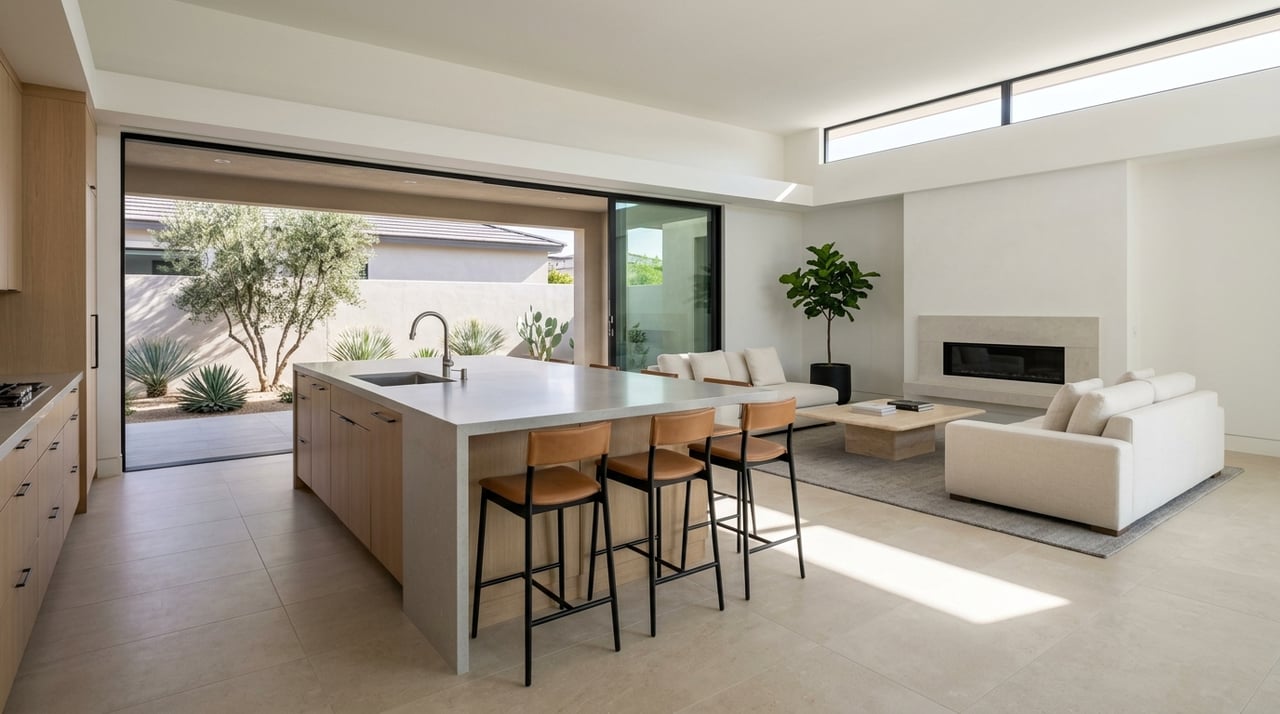
That is especially relevant in higher-end markets, where buyers often expect a home to feel edited, intentional, and visually ready from day one. You are not just showing square footage. You are helping buyers connect with the layout, light, and indoor-outdoor flow.
Media checklist before launch
- Professional photography
- Video walkthrough or listing video
- Virtual-tour assets, if available
- Final staging adjustments
- Show-ready cleaning and detail work
Consider the desert climate when scheduling
Timing matters for more than just repairs. It also affects exterior work and photography. Nearby NOAA normals for Palm Springs Regional Airport show average highs rising from 86.7°F in April to 94.7°F in May and 103.6°F in June, according to NOAA climate normals.
That means exterior prep, landscaping refreshes, and photo sessions may be easier earlier in the spring or during cooler morning hours. If you are targeting a late spring or summer launch, planning ahead can help you avoid weather-related stress and keep the property looking its best.
Launch week: Be fully show-ready
By launch week, the major work should already be done. The home should be clean, staged, photographed, and ready for showings right away.
This matters because online visibility starts immediately. According to NAR’s guidance on maximizing online listing visibility, the first few days are especially important. If early views or saves are weak, the lead image, photo order, or promotion strategy may need to be adjusted quickly.
Your first 72 hours matter
During the first three days, pay close attention to:
- Showing activity
- Online views and saves
- Buyer and agent feedback
- Questions about condition or pricing
- Whether the lead photo and photo sequence are working
A strong opening week can help your listing gain momentum. A weak opening can be harder to recover from, especially in a market where buyers have choices.
The key takeaway for sellers
The biggest mistake many sellers make is treating the listing date as the start of the process. In reality, the best results usually come from the preparation that happens before the home ever hits the market.
For a La Quinta Country Club home, that often means allowing enough time for inspection, repairs, styling, media, and a thoughtful launch strategy. In today’s La Quinta market, preparation is not a luxury. It is part of pricing, presentation, and overall outcome.
If you are thinking about selling and want a calm, private plan tailored to your property, Tyson Hawley can help you map out the right timeline, preparation strategy, and launch approach for your home.
FAQs
How long should it take to prepare a La Quinta Country Club home for listing?
- A practical timeline is often 6 to 8 weeks for planning and inspection, 3 to 5 weeks for repairs and curb appeal, 1 to 2 weeks for staging and media, and launch week for final show-ready details.
Is a pre-sale inspection required before listing a La Quinta home?
- No. NAR says a pre-sale inspection is optional, but it can help you identify issues early and decide whether to repair them, disclose them, or adjust pricing.
Is staging worth it for a La Quinta Country Club property?
- It can be. NAR reports that staging helps buyers visualize the home, can reduce time on market, and in some cases may increase the dollar value offered.
Why are listing photos so important when selling in La Quinta?
- Buyers often start online. NAR says 52% of buyers found the home they purchased online, and 81% rated listing photos as the most useful feature in the search process.
What should sellers prioritize first when preparing a La Quinta home?
- Start with strategy, pricing, documents, and inspection planning. After that, focus on repairs, decluttering, deep cleaning, curb appeal, staging, and professional media before launch.
When is the best time to schedule exterior prep and photography in La Quinta?
- Earlier spring timing or cooler morning hours can be easier for outdoor work and photos, since nearby average highs increase notably from April into June.