Wondering why some luxury homes in La Quinta feel timeless while others feel sleek, modern, and almost sculptural? If you are buying or selling in one of La Quinta’s luxury communities, architectural style plays a big role in how a home lives, how it fits its setting, and how it is perceived in the market. Understanding the local design language can help you spot value, compare communities, and make more confident real estate decisions. Let’s dive in.
La Quinta’s Desert-Resort Design Identity
La Quinta’s luxury architecture is best understood as a desert-resort design language rather than one single look. City and community materials point to two major currents: classic Spanish-influenced styles and newer contemporary desert homes.
That mix gives La Quinta a cohesive feel without making every neighborhood look the same. The city’s design guidance encourages integrated architecture, varied roof heights and wall planes, and architectural variety between nearby homes, which helps explain why many luxury communities feel curated rather than repetitive.
La Quinta’s setting also shapes its architecture in practical ways. The city identifies La Quinta as Climate Zone 15 with a mean annual temperature of 72.3°F, and local landscape policies emphasize water-efficient design and desert-appropriate planting.
Spanish and Hacienda Style Homes
Why this style feels so local
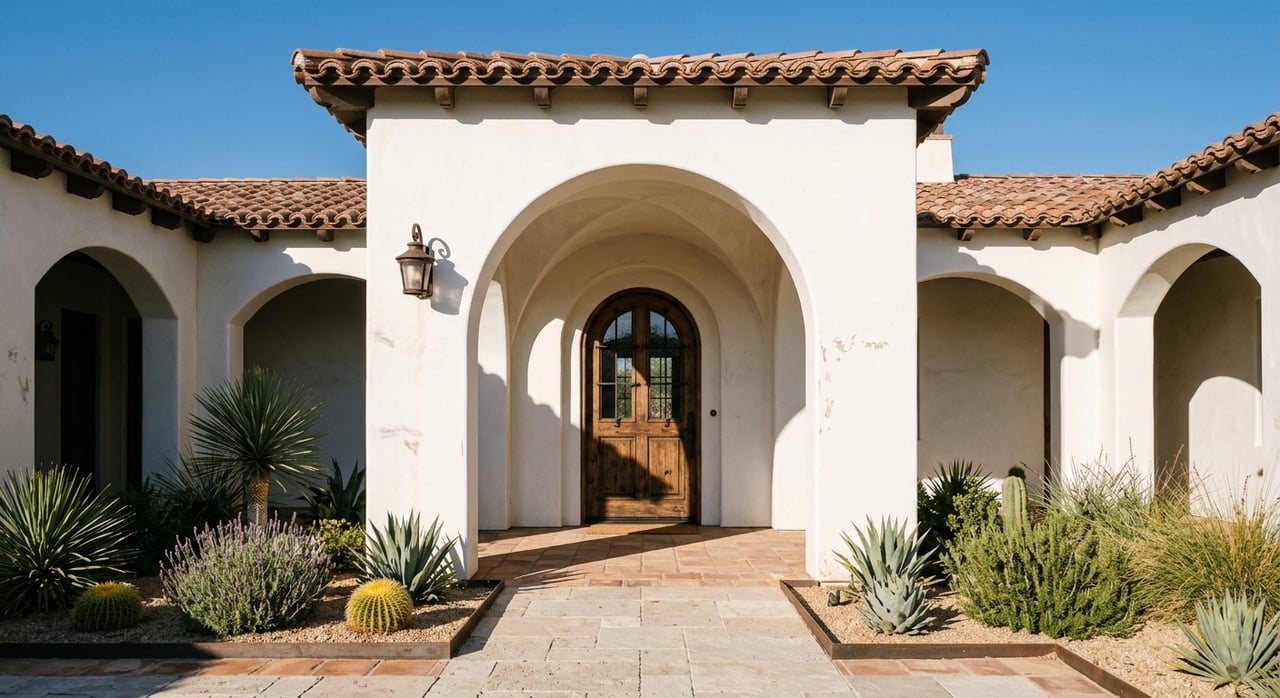
Spanish Revival, Mediterranean, and Hacienda-inspired homes are the most recognizable luxury styles in La Quinta. City history and community planning materials connect La Quinta to resort-era Spanish Revival roots, especially through Old Town and the legacy of La Quinta Resort.
In many luxury neighborhoods, these styles remain a strong visual anchor because they match the area’s long-established resort identity. If you want a home that immediately feels connected to La Quinta’s classic image, this is often the style buyers notice first.
Common design features
These homes often include:
- Stucco exteriors
- Low-pitched or tile roofs
- Arches and arcades
- Ironwork details
- Deep-set windows
- Courtyards and sheltered outdoor areas
These elements are not only aesthetic. In a desert setting, features like recessed windows, courtyards, and shaded transitions between indoor and outdoor spaces can also support comfort and livability.
What buyers and sellers should know
Spanish and Hacienda homes often deliver the strongest this-feels-like-La-Quinta appeal. For sellers, that can be helpful when a property is well-matched to its community and site.
For buyers, it is worth noting that more roof articulation, decorative trim, stucco detailing, and ironwork may also mean more upkeep over time in a hot desert environment. The appeal is lasting, but maintenance should still be part of the conversation.
Contemporary Desert Architecture
The modern side of La Quinta luxury
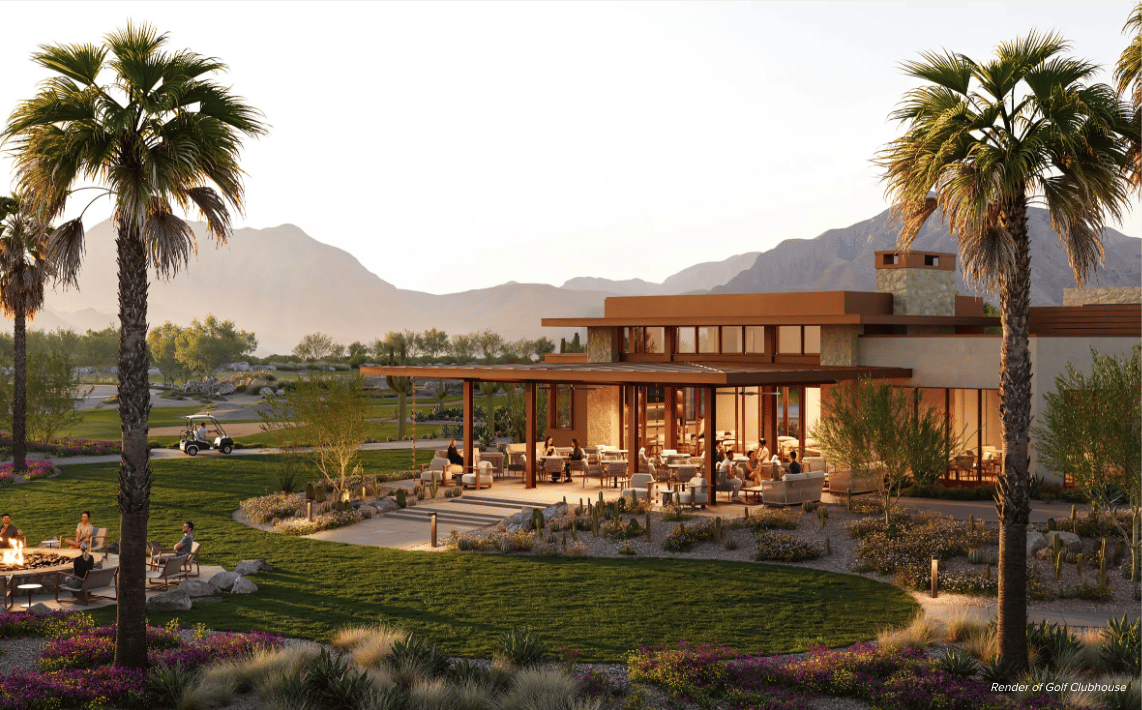
Many newer luxury communities lean toward contemporary desert design. City planning materials for communities such as Travertine describe contemporary or traditional interpretations of contemporary desert architecture, with an emphasis on blending into the natural desert using earth-tone materials.
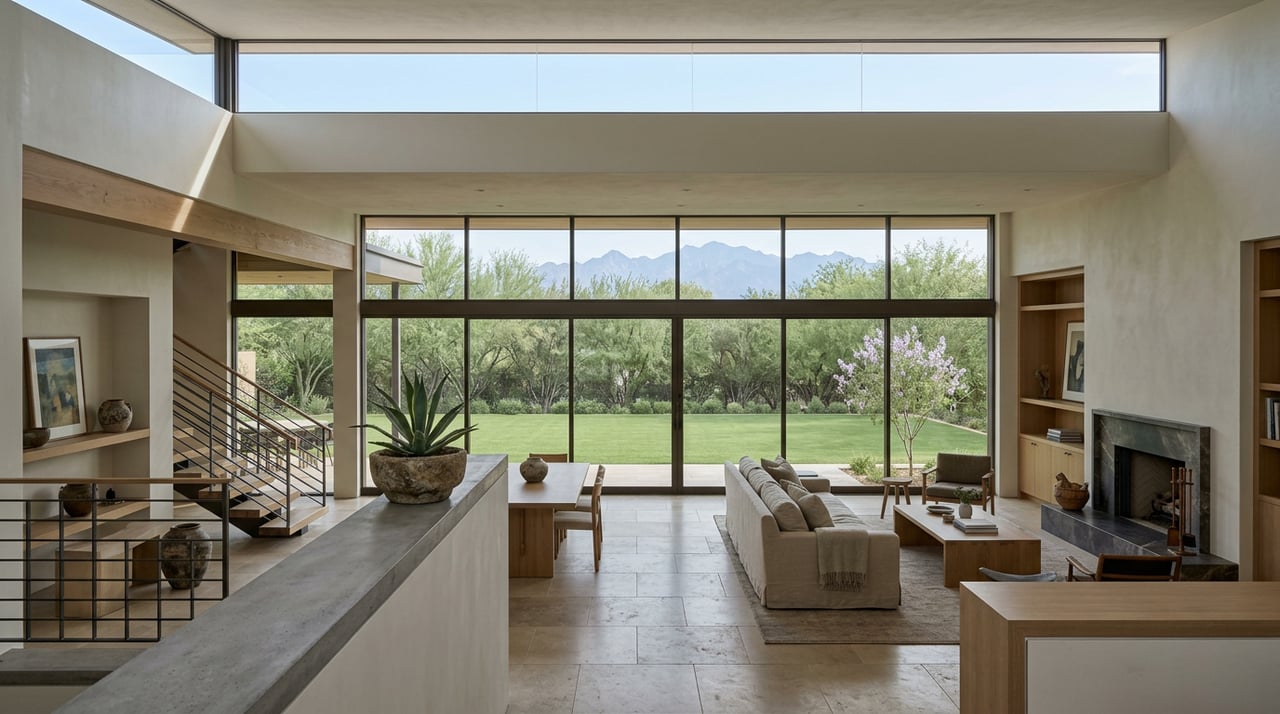
This style tends to feel cleaner, simpler, and more connected to the surrounding landscape. It is a strong fit for buyers who want modern lines, open layouts, and a more minimal design palette.
What defines contemporary desert style
While each community and custom home can vary, contemporary desert homes often feature:
- Clean massing and simpler forms
- Strong horizontal lines
- Earth-tone materials
- Expansive glazing
- Seamless indoor-outdoor floor plans
- Patios and outdoor living spaces designed as part of the home
Developer and community materials for newer projects in La Quinta often emphasize modern residences and indoor-outdoor flow. That tells you a lot about what today’s luxury buyer values in this market.
Practical considerations
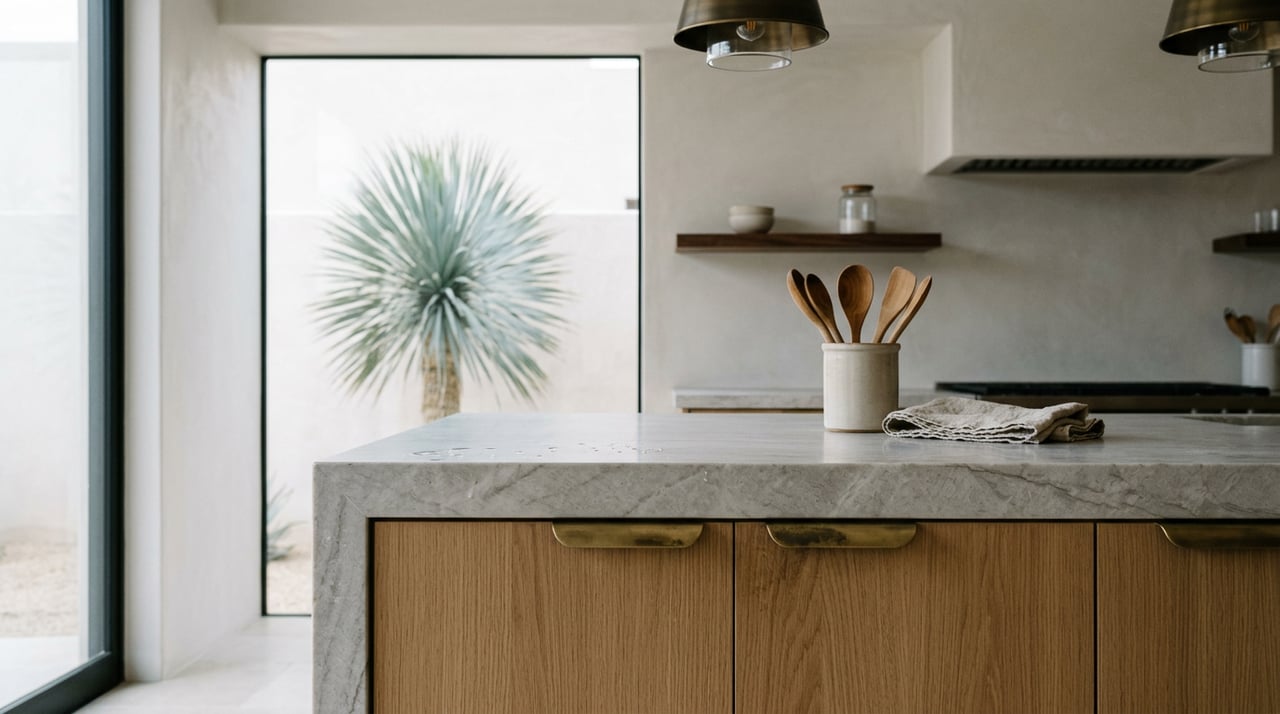
Contemporary desert homes can be simpler to maintain when they rely on durable materials and less ornamentation. At the same time, large areas of glass and substantial hardscape still require care, especially in desert conditions.
From a resale standpoint, contemporary homes can perform well when the design feels coherent with the community and the lot. In La Quinta, modern architecture tends to stand out most when it works with the desert rather than trying to overpower it.
Transitional and Club-Oriented Styles
Not every luxury neighborhood in La Quinta falls neatly into one category. Some communities blend classic and regional influences in ways that create a more custom, club-oriented feel.
PGA WEST materials describe Griffin Ranch as offering Colonial, Mediterranean, Andalusian, and Italian Farmhouse styles. Other local planning documents show communities such as Watermark and Codorniz blending Spanish, Mission, Santa Barbara, and La Quinta references.
For you as a buyer, this creates more range. You can find homes with traditional warmth, homes with a more tailored custom look, and homes that mix familiar revival details with a softer or more updated finish.
For sellers, these blended styles can be an asset when the home presents a clear and consistent design story. In a market with strong visual expectations, coherence matters.
Mid-Century Influence in La Quinta
Mid-century modern is part of La Quinta’s design vocabulary, even if it is not the dominant style in every luxury club community. City historic survey materials group local architecture into period revival, early modern, and late modern styles, and local neighborhood sources note that homes in La Quinta can range from Santa Fe Pueblo to Mid-Century Modern to Mediterranean.
That matters because some buyers are specifically drawn to clean lines, openness, and a more design-forward desert aesthetic. Mid-century-inspired homes can appeal strongly to that audience, especially when they feel updated and functional for current living.
These homes are often distinctive, but they may need thoughtful improvements to feel current in today’s luxury market. If you are selling one, presentation and positioning become especially important.
Why Indoor-Outdoor Living Matters
Architecture that responds to climate
In La Quinta, indoor-outdoor living is not just a lifestyle preference. It is built into the architecture. City design guidance encourages porches, canopies, balconies, courtyards, roof overhangs, solar orientation, and recessed windows.
Specific planning documents for communities such as Codorniz also point to courtyards, paseos, arcades, and extended roof overhangs as responses to the desert climate. These are practical design choices that help create shade, movement, and usable outdoor space.
What this means for luxury living
When you walk through a well-designed La Quinta home, you can usually feel this connection right away. Outdoor rooms, covered patios, and sheltered transitions often make the home feel larger, calmer, and more resort-like.
That is true whether the architecture leans Spanish, contemporary, or transitional. The best homes in this market solve the same problem in different ways: they make life in the desert feel open, comfortable, and intentional.
Landscaping Is Part of the Style
Architecture and landscape design work together in La Quinta. The city has shifted many public-facing landscapes toward Desert Oasis and Desert Efficient palettes that use drought-tolerant plants, crushed rock, boulders, and irrigation designed for desert conditions.
Residential design guidance also encourages water-efficient landscaping. In practical terms, that means the most successful luxury homes often pair their architecture with a landscape plan that feels natural to the desert setting.
For buyers, this can influence both maintenance and first impressions. For sellers, it can shape how polished and context-appropriate a property feels when it hits the market.
How Style Affects Resale
There is no single best architectural style in La Quinta luxury communities. The stronger question is whether a home’s architecture feels right for its neighborhood, lot, and desert context.
City guidance explicitly states that architectural variety adds beauty and value. That supports what many buyers notice in practice: homes tend to resonate most when the design feels coherent rather than forced.
If you are buying, think beyond your favorite look and consider how the home fits the community around it. If you are selling, strong presentation starts with understanding what buyers are likely to value about your home’s design, outdoor living, and setting.
A Spanish-style estate, a modern desert residence, or a transitional club home can all perform well in this market. The key is how well the architecture supports the lifestyle La Quinta buyers are actually seeking.
If you are weighing which La Quinta community best matches your style preferences, or preparing a luxury home for market, a local perspective can make the decision much clearer. For discreet, expert guidance tailored to La Quinta’s country-club and luxury communities, connect with Tyson Hawley.
FAQs
What architectural styles are most common in La Quinta luxury communities?
- The most common styles are Spanish Revival, Mediterranean, and Hacienda-inspired homes, followed by contemporary desert architecture, with transitional club styles and some mid-century influence also present.
What defines contemporary desert architecture in La Quinta?
- Contemporary desert homes in La Quinta usually feature clean lines, simpler forms, earth-tone materials, large glass openings, and strong indoor-outdoor living spaces designed to work with the desert setting.
Why are Spanish-style homes so popular in La Quinta?
- Spanish-style homes are closely tied to La Quinta’s resort-era history and are often associated with stucco walls, tile roofs, arches, courtyards, and a classic desert-resort feel.
How does La Quinta’s climate influence home design?
- Local design guidance emphasizes features such as courtyards, overhangs, porches, recessed windows, and water-efficient landscaping to help create shade, comfort, and better desert livability.
Does architectural style affect resale in La Quinta luxury real estate?
- Yes. Resale appeal is often tied less to one specific style and more to whether the home’s design feels coherent with the community, site, and broader desert context.
What should buyers look for when comparing architectural styles in La Quinta?
- Buyers should consider how a home’s style affects maintenance, indoor-outdoor living, long-term comfort, and how well the design fits the neighborhood and lot.